
It began with one doctor who kept saying yes to house calls.
For years Dr. Konappa drove across Hyderabad to see patients in their own homes — some of them for a decade, most of them elderly, nearly all of them people who would have struggled to sit in a waiting room. MerakiCare exists because that way of practising medicine should not depend on knowing one doctor personally.
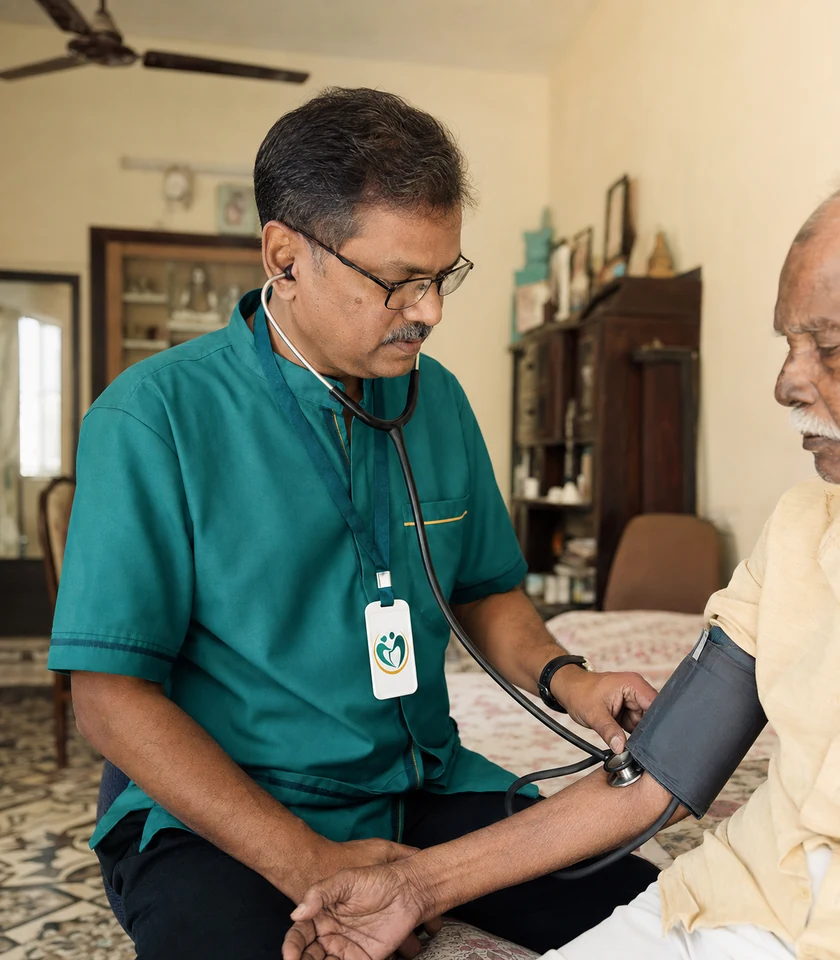
The house call never stopped working. It just stopped being available.
Somewhere in the last thirty years, medicine decided the patient should travel. For a healthy adult that is an inconvenience. For an eighty-eight-year-old with a hip that has not healed properly, it is the reason a treatable problem becomes an admission — three hours in a corridor, a stranger reading a file for the first time, and a discharge summary nobody at home understands.
Dr. Konappa spent years working around that, one family at a time. What he learned in those living rooms was not really clinical: it was that continuity does the heavy lifting. Knowing the stairs, the medicine drawer, the daughter who has not slept, the fact that the patient will not mention the chest pain unless asked twice.
MerakiCare — under EnduringCare Medical Services — is the attempt to make that repeatable. Not a booking platform that dispatches whoever is free, but a small clinical organisation where a named physician owns the plan, a Care Manager carries the coordination, and the family gets to stop being the one holding it all together.
We wanted to write down how one doctor had been working for a decade, so that it could belong to more than one doctor.
Three physicians, and the reason the plan is always signed by a doctor
Clinical governance sits with the founders. Nobody at MerakiCare writes a care plan without a physician’s name on it.

Dr. Konappa
Spent years delivering medical care in patients’ homes across Hyderabad — several families have been under his care for a decade or more. He founded EnduringCare to set down how he works, so it could outlast one doctor’s calendar.
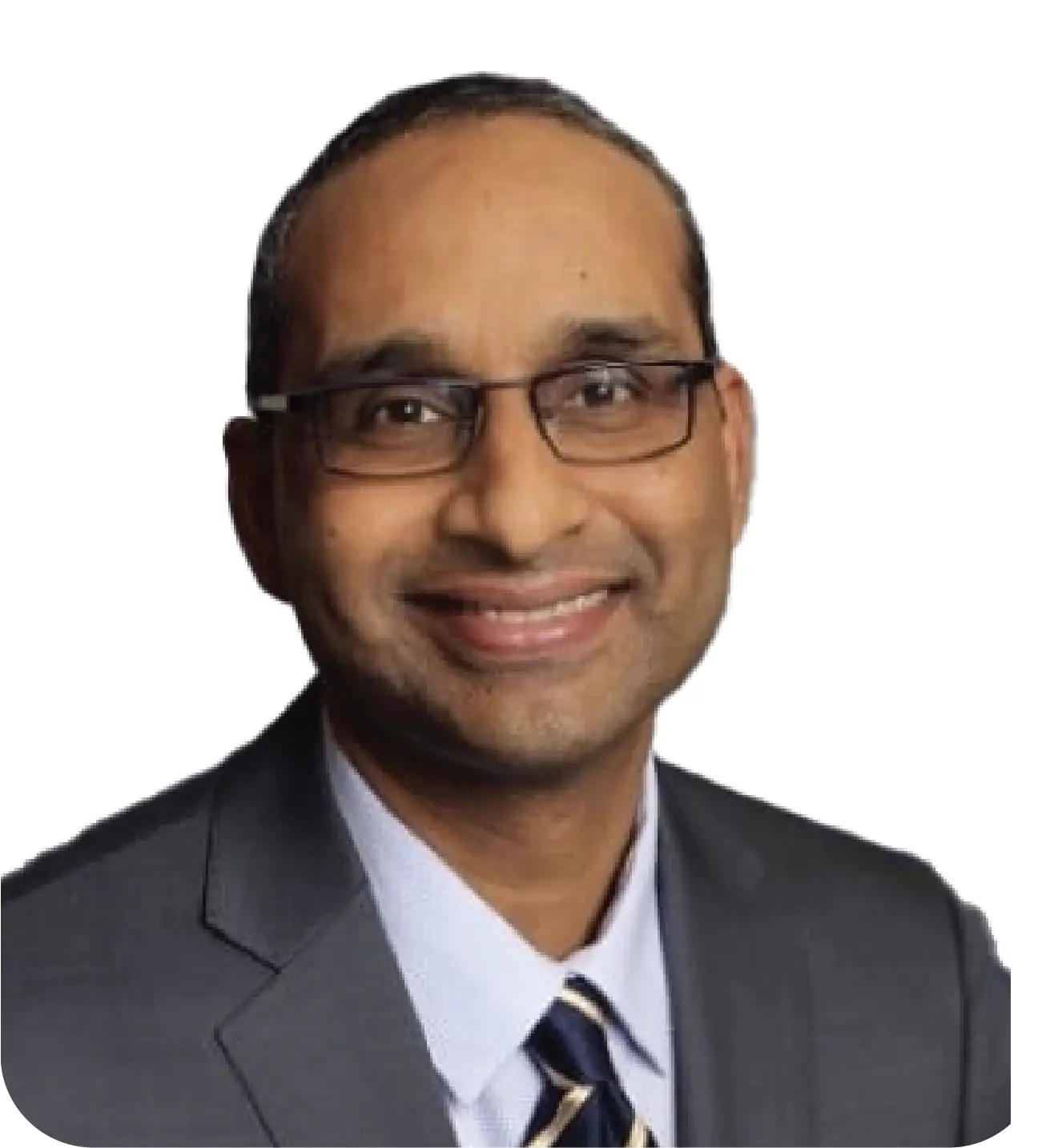
Dr. Praveen Tamirisa
Over 25 years in medicine. Graduated from Osmania Medical College, then trained at the Albert Einstein College of Medicine and Washington University School of Medicine before returning to build care closer to home.
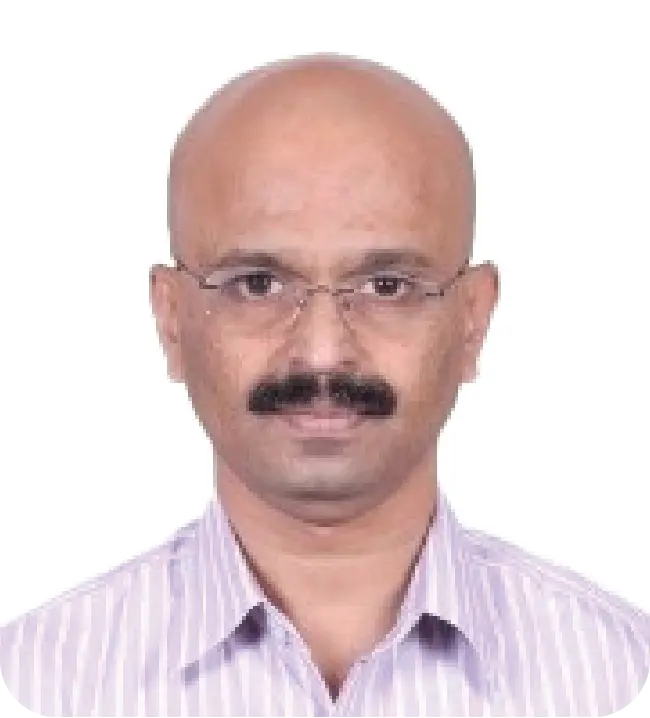
Dr. Peri
Consultant in Acute and Respiratory Medicine at Queen’s Hospital in the UK, where he leads the Emergency Assessment Unit of a 500-bed facility and a large multidisciplinary team. He is the reason our escalation thresholds are strict.
Beyond the founders, care is delivered by registered physicians, nurses, physiotherapists, technicians and Care Managers — each verified with their issuing council before a first visit. We are hiring across every service.
Three people, three jobs, no gaps between them
Most home-care goes wrong in the space between the people involved. So we made the handovers somebody’s actual job.
The physician
Assesses at home, writes the plan, adjusts it as things change, and stays the named doctor on that record. Not a different consultant every month.
The Care Manager
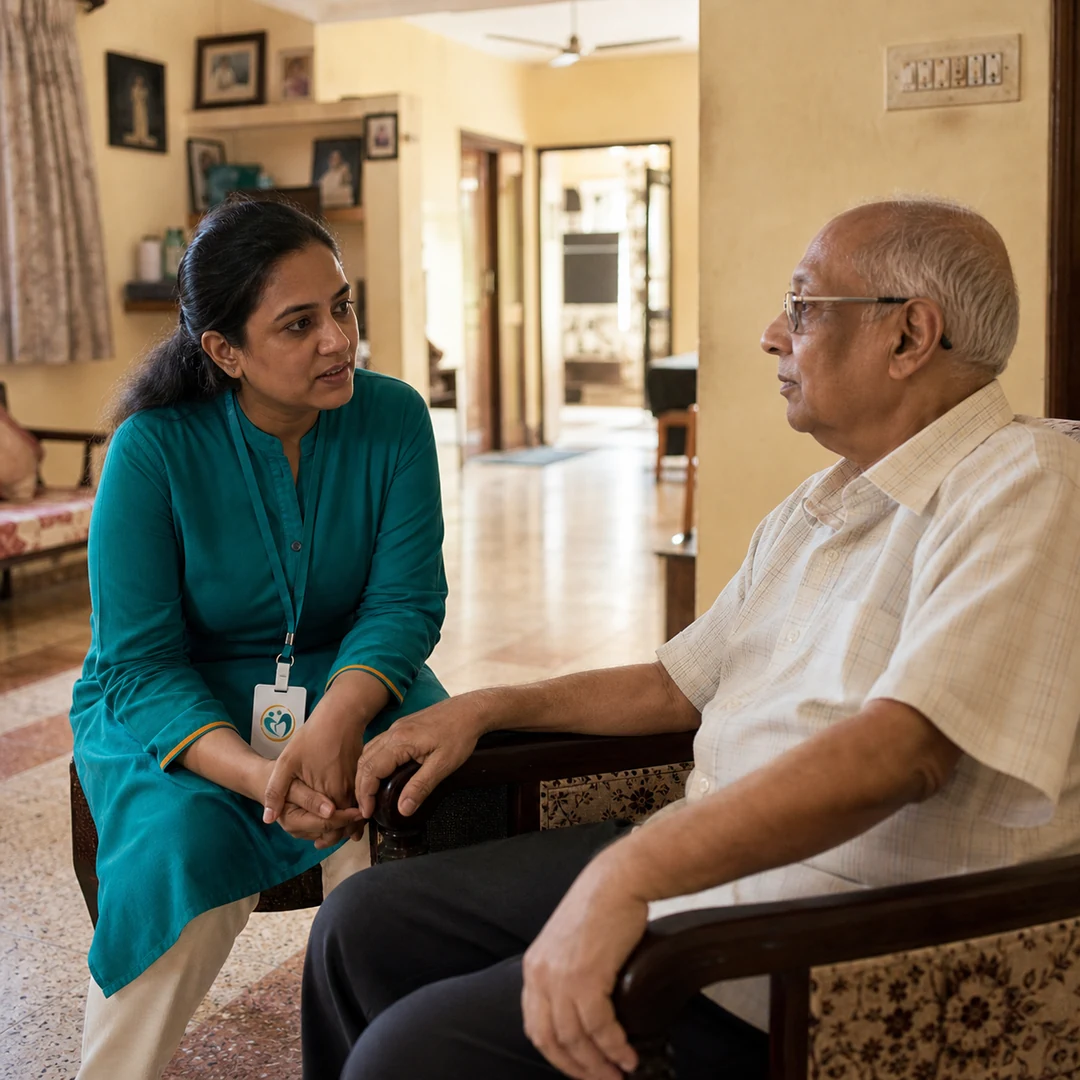
One named person who books the visits, chases the reports, briefs the family, and notices the thing nobody thought to report. This is the job families are otherwise doing themselves, badly, from another timezone.
The clinician at the door
Nurse, physiotherapist, assistant or technician — working to the physician’s plan, documenting against it, with a doctor reachable on every shift.
Four commitments, each one testable
If we are failing on any of these, it is visible to you — not something you have to take on faith.
A doctor owns every plan
You can always name the physician responsible for your parent’s care. If you cannot, we have failed at the first thing.
Continuity over convenience
We aim to send the same clinician, and we would rather move a visit by a day than send a stranger. Sometimes clinical need overrules that, and we say so when it does.
Write everything down
Every visit produces a note in one clinical record, aimed at reaching you within a day — including the visits where nothing happened. Especially those.
Say the unwelcome thing
When home is no longer the safer place, when a service will not help, when a plan is not working — we tell you plainly, including when it costs us the work.
You cannot be in the room. Someone competent should be.
One of our founders has practised in the UK for years, which is not incidental — we built the reporting for the person who is eight thousand kilometres away at 2am wondering whether the cough is anything. You get a named Care Manager, a call at a time that works in your timezone, and a written record you can actually read.
How Sahaara works“The quality of time he spends during house visits, and his constant accessibility, instils confidence.”
“Your accessibility for consultations and promptness in attending to our family’s medical needs is greatly appreciated.”
Hyderabad and Secunderabad only, and deliberately so
A physician who can reach a patient within the hour has to live nearby. Visits are assigned by zone, which is how continuity survives contact with traffic. We would rather cover two cities properly than six badly — so when we expand, it will be a city at a time.
We are not an emergency service — for an emergency, call 108 or 112. We are not a staffing agency that sends you a stranger and invoices you. And we are not a substitute for hospital care when hospital care is what someone needs; part of our job is telling you when that point has arrived.
Start with a conversation, not a commitment
Tell a Care Manager what is happening at home. If we are not the right answer, we will say so and point you somewhere better.